
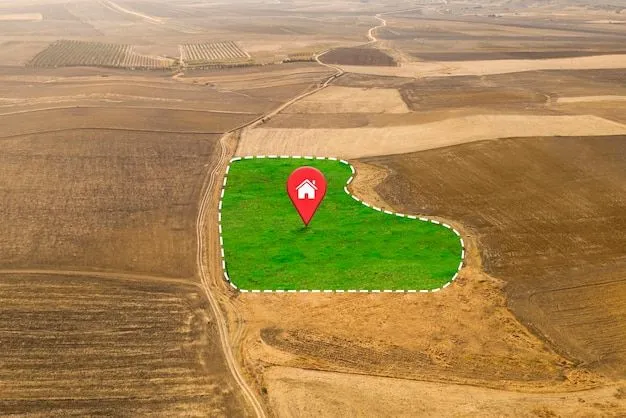
The price of the land is not the only thing you should check. A seemingly good deal may require additional costs for access, utilities, foundations or site preparation.
Make sure the property has practical access to a road and that it can be used normally.
Check: vehicle access, road width and the legal status of the access road.
Connecting to utilities can have a significant impact on your construction budget.
Check: electricity, water, sewage, gas and the distance to existing networks.
The shape of the property can limit the position and size of the house.
Check: width, length, plot shape and distances from the property boundaries.
A sloped property may require additional work for the foundation, grading or drainage.
Check: elevation differences and how they could affect the house design.
The type and characteristics of the soil affect the foundation choice and construction costs.
Ideally: check the geotechnical conditions before buying the land or designing the foundation.
Not every plot allows you to build the house you want.
Check: land use, building regulations, required setbacks and applicable planning conditions.
Neighbors and nearby buildings can affect both comfort and the future position of your house.
Check: existing buildings, access, noise, orientation and any planned construction nearby.
A good plot is not simply a plot with a good price. Access, utilities, geometry, level, soil, planning regulations and surroundings can all directly affect how much your house will cost. Before paying for the land, make sure it can actually support the house you want to build.