
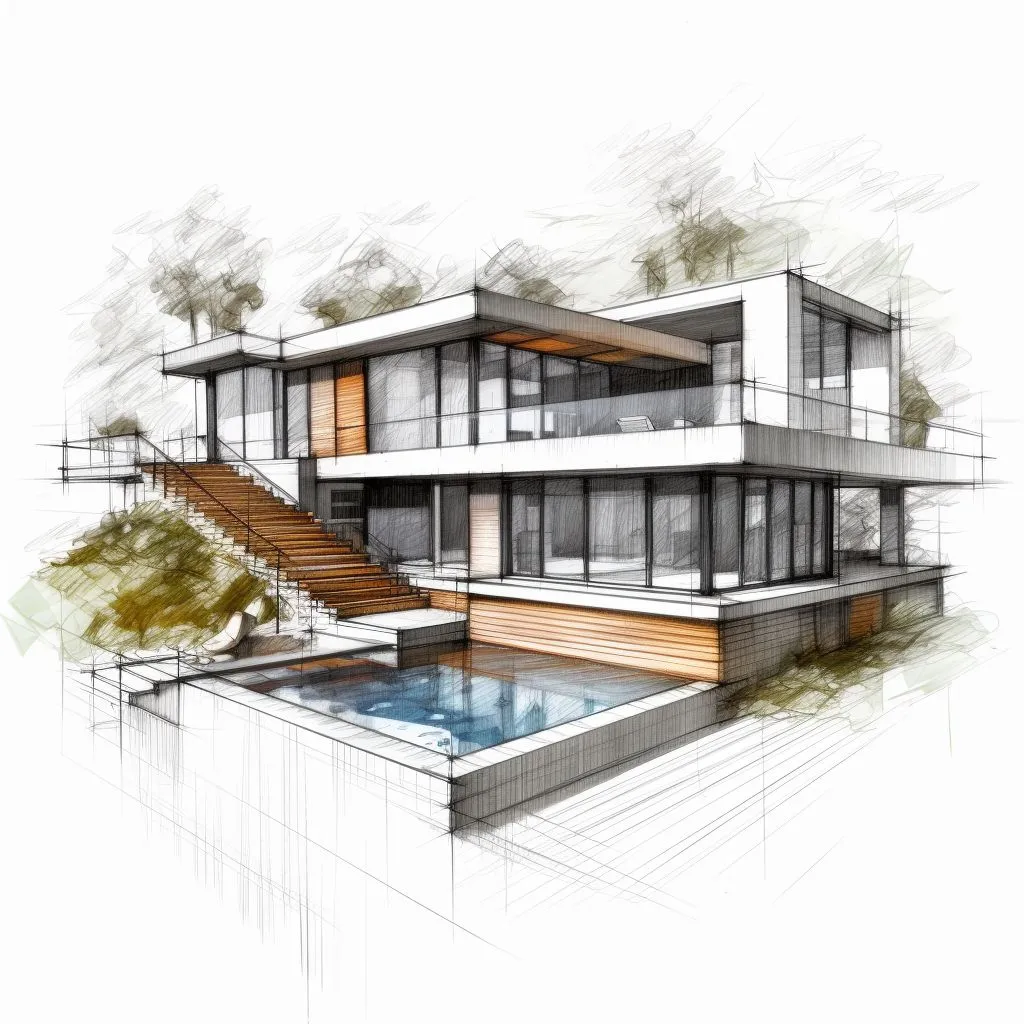
Architecture, structure, and engineering systems should be planned together. Changes during construction can mean additional materials, labor, and costs.
Solution: define as many details as possible before construction begins.
Soil characteristics can affect the foundation and construction cost.
Solution: check the land and conduct a geotechnical study before designing the house.
The cheapest material is not always the most cost-effective. Durability, installation, energy efficiency, and maintenance also matter.
Solution: compare the long-term cost, not just the initial price.
Electricity, heating, water, sewage, ventilation, and air conditioning should be planned in advance.
Solution: integrate the engineering systems during the design stage.
Moving walls, changing windows, or modifying engineering systems after construction has started can lead to additional costs.
Solution: approve the final project before construction begins.
Even a well-planned budget can face unexpected expenses.
Solution: keep a reserve for additional work and unexpected costs.
A house can look great but still be inconvenient for everyday life. Difficult-to-furnish spaces, oversized hallways, or a lack of storage can become problems.
Solution: design the house around your lifestyle and family needs.
Many of the most expensive mistakes happen before construction even begins.
A well-planned project adapted to the land and budget can reduce changes and unexpected expenses.